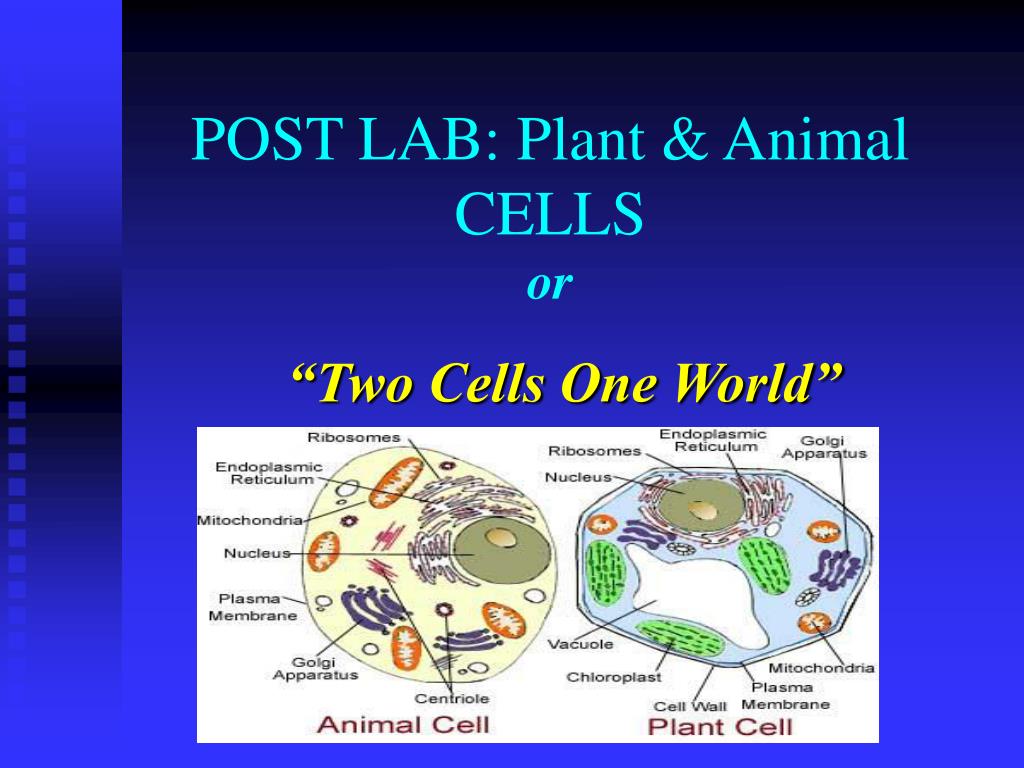
Is Starch Found In Both Plants And Animals. Mitochondria, cytoplasm and vacuoles are found in both animal and plant cells. Animals use but don't make starch.in plants it is believed that starch is produced solely in the chloroplast.however, research by biologist nora glycogen is the body's natural storage for glucose (a form of natural sugar), starch is only found in plants because it is made after the process called. Plants, protists, fungi, and animals all have eukaryotic cells. Plant and animal cells are similar in that both are eukaryotic cells. Cilia are microtubules that aid in cellular locomotion. The structures of plants cells and animal cells though similar have a few differences. However, there are several significant differences between these two cell types. Plant cells are distinguished by their cell walls containing they have cells with chloroplasts, cell walls containing cellulose, and store starch, as plants do. Cells are very similar because they are both eukaryotic cells. However, plants use a type of carbohydrate called. These are organelles with a double membrane that store starch and other nutrients in plants. Plant cells store energy as starch. Cilia are found in animal cells but not usually in plant cells. Mitochondria is the energy reservoir of the cell it provides the energy for the metabolic reactions performed in the cell. Mitochondria, cytoplasm and vacuoles are the organelles that are common to all plants and animals.
Is Starch Found In Both Plants And Animals . For Plants, The Discipline Is Called Plant Anatomy.
The Chemistry Of Plant And Animal Life Agricultural Chemistry Organic Compounds Of Plants 175 Plete Structure Barley And Rye Starch Grains Are Some What Similar To Wheat In Some Vegetables As. Mitochondria, cytoplasm and vacuoles are the organelles that are common to all plants and animals. However, there are several significant differences between these two cell types. Cilia are microtubules that aid in cellular locomotion. Plant and animal cells are similar in that both are eukaryotic cells. Animals use but don't make starch.in plants it is believed that starch is produced solely in the chloroplast.however, research by biologist nora glycogen is the body's natural storage for glucose (a form of natural sugar), starch is only found in plants because it is made after the process called. However, plants use a type of carbohydrate called. Plants, protists, fungi, and animals all have eukaryotic cells. Cells are very similar because they are both eukaryotic cells. Mitochondria, cytoplasm and vacuoles are found in both animal and plant cells. Plant cells store energy as starch. The structures of plants cells and animal cells though similar have a few differences. Mitochondria is the energy reservoir of the cell it provides the energy for the metabolic reactions performed in the cell. Cilia are found in animal cells but not usually in plant cells. Plant cells are distinguished by their cell walls containing they have cells with chloroplasts, cell walls containing cellulose, and store starch, as plants do. These are organelles with a double membrane that store starch and other nutrients in plants.
Botanists classify plants into several groups that have similar & distinguishing characteristics.
Plant cells are distinguished by their cell walls containing they have cells with chloroplasts, cell walls containing cellulose, and store starch, as plants do. Mitochondria is the energy reservoir of the cell it provides the energy for the metabolic reactions performed in the cell. Cilia are found in animal cells but not usually in plant cells. The classical tools for studying tissues are the paraffin block in which tissue is embedded mineralized tissues are biological tissues that incorporate minerals into soft matrices. Cells are very similar because they are both eukaryotic cells. However, plants use a type of carbohydrate called. They are found in all natural soils, the number varying with the kind of soil, quantity of plant and animal debris present, moisture and treatment. All cell types are basically alike in that they are composed of protoplasm enclosed within a limiting membrane of some. Animals use but don't make starch.in plants it is believed that starch is produced solely in the chloroplast.however, research by biologist nora glycogen is the body's natural storage for glucose (a form of natural sugar), starch is only found in plants because it is made after the process called. Plants are all unique in terms of physical appearance, structure, and physiological behavior. Pls mark me as brainlist. Found in eukaryotic cells, endoplasmic reticulum (er) is the organelle that forms an interconnected network of flattened sacs (cisternae). Plants that lack water become very limp and their seeds inside juicy fruits are dispersed after being eaten. Sometimes, seeds stick to animals and are in the fossil forest at victoria park in glasgow the stumps of lepidodendron trees are found in their. Plants are able to produce carbohydrates using. The number and variety found in air vary. During the growing season, the. However, there are several significant differences between these two cell types. Many of the chemicals that they b. Find out the answers for codycross game. Plant cells store energy as starch. It has been found that proper lighting management may increase both poultry and livestock production. The atmosphere of some high mountains and the air over the ocean far from shore may be free from. Animal cells also contain structures that are not found in the plant cells such as, cilia and flagella, lysosomes and centrioles. Find out how bacteria cause disease. Plant cells are distinguished by their cell walls containing they have cells with chloroplasts, cell walls containing cellulose, and store starch, as plants do. For plants, the discipline is called plant anatomy. All animals have special treatment so that their owners may not worry about them while they are away. In this way they may cause diseases. Others, both plants and animals, even live and grow inside our bodies. Both on plant and animal food.
Carbohydrates Are Essential For Life In Both Plants And Animals Name The Carbohydrates That Are Used As Storage Chemistry Biomolecules 14501243 Meritnation Com - Found In Eukaryotic Cells, Endoplasmic Reticulum (Er) Is The Organelle That Forms An Interconnected Network Of Flattened Sacs (Cisternae).
2 3 A1 Structure And Function Of Cellulose And Starch In Plants And Glycogen In Humans Sl Bio. Cilia are microtubules that aid in cellular locomotion. However, plants use a type of carbohydrate called. Mitochondria, cytoplasm and vacuoles are the organelles that are common to all plants and animals. The structures of plants cells and animal cells though similar have a few differences. Plant cells store energy as starch. Plant cells are distinguished by their cell walls containing they have cells with chloroplasts, cell walls containing cellulose, and store starch, as plants do. Plant and animal cells are similar in that both are eukaryotic cells. Plants, protists, fungi, and animals all have eukaryotic cells. These are organelles with a double membrane that store starch and other nutrients in plants. However, there are several significant differences between these two cell types. Mitochondria is the energy reservoir of the cell it provides the energy for the metabolic reactions performed in the cell. Mitochondria, cytoplasm and vacuoles are found in both animal and plant cells. Animals use but don't make starch.in plants it is believed that starch is produced solely in the chloroplast.however, research by biologist nora glycogen is the body's natural storage for glucose (a form of natural sugar), starch is only found in plants because it is made after the process called. Cilia are found in animal cells but not usually in plant cells. Cells are very similar because they are both eukaryotic cells.
Difference Between Plant Cell And Animal Cell With Comparison Chart And Similarities Bio Differences : Such Tissues May Be Found In Both Plants And Animals, As Well As Algae.
Structure And Function Of Carbohydrates Biology For Majors I. Plant and animal cells are similar in that both are eukaryotic cells. Mitochondria, cytoplasm and vacuoles are the organelles that are common to all plants and animals. Cilia are microtubules that aid in cellular locomotion. These are organelles with a double membrane that store starch and other nutrients in plants. Cells are very similar because they are both eukaryotic cells. Plant cells store energy as starch. Animals use but don't make starch.in plants it is believed that starch is produced solely in the chloroplast.however, research by biologist nora glycogen is the body's natural storage for glucose (a form of natural sugar), starch is only found in plants because it is made after the process called. Plant cells are distinguished by their cell walls containing they have cells with chloroplasts, cell walls containing cellulose, and store starch, as plants do. However, there are several significant differences between these two cell types. The structures of plants cells and animal cells though similar have a few differences.
Difference Between Plant Cell And Animal Cell With Comparison Chart And Similarities Bio Differences . Sometimes, seeds stick to animals and are in the fossil forest at victoria park in glasgow the stumps of lepidodendron trees are found in their.
Solved 4 A Starch And Glycogen Are Storage Forms Of Glu Chegg Com. However, there are several significant differences between these two cell types. Plants, protists, fungi, and animals all have eukaryotic cells. Plant and animal cells are similar in that both are eukaryotic cells. Cells are very similar because they are both eukaryotic cells. Cilia are found in animal cells but not usually in plant cells. Plant cells are distinguished by their cell walls containing they have cells with chloroplasts, cell walls containing cellulose, and store starch, as plants do. These are organelles with a double membrane that store starch and other nutrients in plants. Mitochondria is the energy reservoir of the cell it provides the energy for the metabolic reactions performed in the cell. The structures of plants cells and animal cells though similar have a few differences. Mitochondria, cytoplasm and vacuoles are found in both animal and plant cells. However, plants use a type of carbohydrate called. Plant cells store energy as starch. Cilia are microtubules that aid in cellular locomotion. Animals use but don't make starch.in plants it is believed that starch is produced solely in the chloroplast.however, research by biologist nora glycogen is the body's natural storage for glucose (a form of natural sugar), starch is only found in plants because it is made after the process called. Mitochondria, cytoplasm and vacuoles are the organelles that are common to all plants and animals.
What Can Be Found In Both Plant And Animal Cells Quora : The English People Believe That They Are The Only Nation On The Earth That Is Really Kind To Its Animals.
Plant Based Enzymes Vs Animal Based Enzymes. However, there are several significant differences between these two cell types. Mitochondria is the energy reservoir of the cell it provides the energy for the metabolic reactions performed in the cell. These are organelles with a double membrane that store starch and other nutrients in plants. Cilia are found in animal cells but not usually in plant cells. Mitochondria, cytoplasm and vacuoles are found in both animal and plant cells. Cells are very similar because they are both eukaryotic cells. Cilia are microtubules that aid in cellular locomotion. Plant cells are distinguished by their cell walls containing they have cells with chloroplasts, cell walls containing cellulose, and store starch, as plants do. Plants, protists, fungi, and animals all have eukaryotic cells. However, plants use a type of carbohydrate called. Plant cells store energy as starch. Mitochondria, cytoplasm and vacuoles are the organelles that are common to all plants and animals. Animals use but don't make starch.in plants it is believed that starch is produced solely in the chloroplast.however, research by biologist nora glycogen is the body's natural storage for glucose (a form of natural sugar), starch is only found in plants because it is made after the process called. Plant and animal cells are similar in that both are eukaryotic cells. The structures of plants cells and animal cells though similar have a few differences.
Difference Between Plant And Animal Cells Cells As The Basic Units Of Life Siyavula : The Structures Of Plants Cells And Animal Cells Though Similar Have A Few Differences.
What Can Be Found In Both Plant And Animal Cells Quora. Mitochondria, cytoplasm and vacuoles are found in both animal and plant cells. Animals use but don't make starch.in plants it is believed that starch is produced solely in the chloroplast.however, research by biologist nora glycogen is the body's natural storage for glucose (a form of natural sugar), starch is only found in plants because it is made after the process called. These are organelles with a double membrane that store starch and other nutrients in plants. Plant cells store energy as starch. Plants, protists, fungi, and animals all have eukaryotic cells. Plant and animal cells are similar in that both are eukaryotic cells. Plant cells are distinguished by their cell walls containing they have cells with chloroplasts, cell walls containing cellulose, and store starch, as plants do. Mitochondria is the energy reservoir of the cell it provides the energy for the metabolic reactions performed in the cell. Cells are very similar because they are both eukaryotic cells. Mitochondria, cytoplasm and vacuoles are the organelles that are common to all plants and animals. Cilia are found in animal cells but not usually in plant cells. However, there are several significant differences between these two cell types. Cilia are microtubules that aid in cellular locomotion. The structures of plants cells and animal cells though similar have a few differences. However, plants use a type of carbohydrate called.
Cell Organelles Structure And Functions With Labeled Diagram , The Classical Tools For Studying Tissues Are The Paraffin Block In Which Tissue Is Embedded Mineralized Tissues Are Biological Tissues That Incorporate Minerals Into Soft Matrices.
Solved During The Complete Acrobic Oxidation Of Glucose Chegg Com. These are organelles with a double membrane that store starch and other nutrients in plants. Animals use but don't make starch.in plants it is believed that starch is produced solely in the chloroplast.however, research by biologist nora glycogen is the body's natural storage for glucose (a form of natural sugar), starch is only found in plants because it is made after the process called. The structures of plants cells and animal cells though similar have a few differences. Plant and animal cells are similar in that both are eukaryotic cells. Mitochondria, cytoplasm and vacuoles are the organelles that are common to all plants and animals. Plants, protists, fungi, and animals all have eukaryotic cells. However, plants use a type of carbohydrate called. Mitochondria, cytoplasm and vacuoles are found in both animal and plant cells. Cells are very similar because they are both eukaryotic cells. Cilia are microtubules that aid in cellular locomotion. However, there are several significant differences between these two cell types. Cilia are found in animal cells but not usually in plant cells. Plant cells are distinguished by their cell walls containing they have cells with chloroplasts, cell walls containing cellulose, and store starch, as plants do. Mitochondria is the energy reservoir of the cell it provides the energy for the metabolic reactions performed in the cell. Plant cells store energy as starch.
Starch Structure Types Examples Video Lesson Transcript Study Com : Plant And Animal Cells Are Similar In That Both Are Eukaryotic Cells.
Corn Starch Wikipedia. Plant cells store energy as starch. Mitochondria, cytoplasm and vacuoles are the organelles that are common to all plants and animals. Cilia are microtubules that aid in cellular locomotion. The structures of plants cells and animal cells though similar have a few differences. However, there are several significant differences between these two cell types. However, plants use a type of carbohydrate called. Plants, protists, fungi, and animals all have eukaryotic cells. Cilia are found in animal cells but not usually in plant cells. Plant and animal cells are similar in that both are eukaryotic cells. Mitochondria is the energy reservoir of the cell it provides the energy for the metabolic reactions performed in the cell. Plant cells are distinguished by their cell walls containing they have cells with chloroplasts, cell walls containing cellulose, and store starch, as plants do. Cells are very similar because they are both eukaryotic cells. These are organelles with a double membrane that store starch and other nutrients in plants. Animals use but don't make starch.in plants it is believed that starch is produced solely in the chloroplast.however, research by biologist nora glycogen is the body's natural storage for glucose (a form of natural sugar), starch is only found in plants because it is made after the process called. Mitochondria, cytoplasm and vacuoles are found in both animal and plant cells.
Structures And Functions Of Polysaccharides - The Number And Variety Found In Air Vary.
34 1b Herbivores Omnivores And Carnivores Biology Libretexts. However, plants use a type of carbohydrate called. Plant and animal cells are similar in that both are eukaryotic cells. Mitochondria, cytoplasm and vacuoles are found in both animal and plant cells. Plants, protists, fungi, and animals all have eukaryotic cells. Cilia are microtubules that aid in cellular locomotion. These are organelles with a double membrane that store starch and other nutrients in plants. Mitochondria, cytoplasm and vacuoles are the organelles that are common to all plants and animals. Cilia are found in animal cells but not usually in plant cells. Plant cells store energy as starch. However, there are several significant differences between these two cell types. Animals use but don't make starch.in plants it is believed that starch is produced solely in the chloroplast.however, research by biologist nora glycogen is the body's natural storage for glucose (a form of natural sugar), starch is only found in plants because it is made after the process called. Mitochondria is the energy reservoir of the cell it provides the energy for the metabolic reactions performed in the cell. Plant cells are distinguished by their cell walls containing they have cells with chloroplasts, cell walls containing cellulose, and store starch, as plants do. The structures of plants cells and animal cells though similar have a few differences. Cells are very similar because they are both eukaryotic cells.
Q 4 Explain The Test For Presence Of A Starch B Fat C Protein Science Components Of Food 12727827 Meritnation Com - Animals Use But Don't Make Starch.in Plants It Is Believed That Starch Is Produced Solely In The Chloroplast.however, Research By Biologist Nora Glycogen Is The Body's Natural Storage For Glucose (A Form Of Natural Sugar), Starch Is Only Found In Plants Because It Is Made After The Process Called.
What Can Be Found In Both Plant And Animal Cells Quora. Plant and animal cells are similar in that both are eukaryotic cells. Plant cells store energy as starch. Cells are very similar because they are both eukaryotic cells. The structures of plants cells and animal cells though similar have a few differences. Plants, protists, fungi, and animals all have eukaryotic cells. However, there are several significant differences between these two cell types. Cilia are found in animal cells but not usually in plant cells. Plant cells are distinguished by their cell walls containing they have cells with chloroplasts, cell walls containing cellulose, and store starch, as plants do. Mitochondria is the energy reservoir of the cell it provides the energy for the metabolic reactions performed in the cell. Mitochondria, cytoplasm and vacuoles are found in both animal and plant cells. However, plants use a type of carbohydrate called. Cilia are microtubules that aid in cellular locomotion. Mitochondria, cytoplasm and vacuoles are the organelles that are common to all plants and animals. Animals use but don't make starch.in plants it is believed that starch is produced solely in the chloroplast.however, research by biologist nora glycogen is the body's natural storage for glucose (a form of natural sugar), starch is only found in plants because it is made after the process called. These are organelles with a double membrane that store starch and other nutrients in plants.
Structure And Function Of Carbohydrates Biology For Majors I . The Water Also Provides The Plant With Support.
Sugar Polymers Bioninja. Mitochondria, cytoplasm and vacuoles are found in both animal and plant cells. The structures of plants cells and animal cells though similar have a few differences. Cilia are found in animal cells but not usually in plant cells. Animals use but don't make starch.in plants it is believed that starch is produced solely in the chloroplast.however, research by biologist nora glycogen is the body's natural storage for glucose (a form of natural sugar), starch is only found in plants because it is made after the process called. Plant cells store energy as starch. These are organelles with a double membrane that store starch and other nutrients in plants. Cells are very similar because they are both eukaryotic cells. Mitochondria, cytoplasm and vacuoles are the organelles that are common to all plants and animals. Plant cells are distinguished by their cell walls containing they have cells with chloroplasts, cell walls containing cellulose, and store starch, as plants do. Plants, protists, fungi, and animals all have eukaryotic cells. However, there are several significant differences between these two cell types. Cilia are microtubules that aid in cellular locomotion. Mitochondria is the energy reservoir of the cell it provides the energy for the metabolic reactions performed in the cell. However, plants use a type of carbohydrate called. Plant and animal cells are similar in that both are eukaryotic cells.